By Tim Howard
April 21, 2026
Mosquitoes are more than just a nuisance — they pose significant health risks due to their ability to transmit dangerous diseases. Through the spread of illnesses, these pests can impact entire communities, making proactive control measures essential. Effective mosquito management involves a combination of strategies, including eliminating standing water where mosquitoes breed, maintaining landscaping to reduce resting areas, and using targeted treatments when necessary. Public education and community participation play a vital role in reducing mosquito populations, as consistent prevention efforts across neighborhoods significantly lower the risk of outbreaks. By prioritizing mosquito control, individuals and communities can better safeguard their health, enhance outdoor comfort, and reduce the likelihood of disease transmission.
Recognize the Biological Threat of Mosquitoes
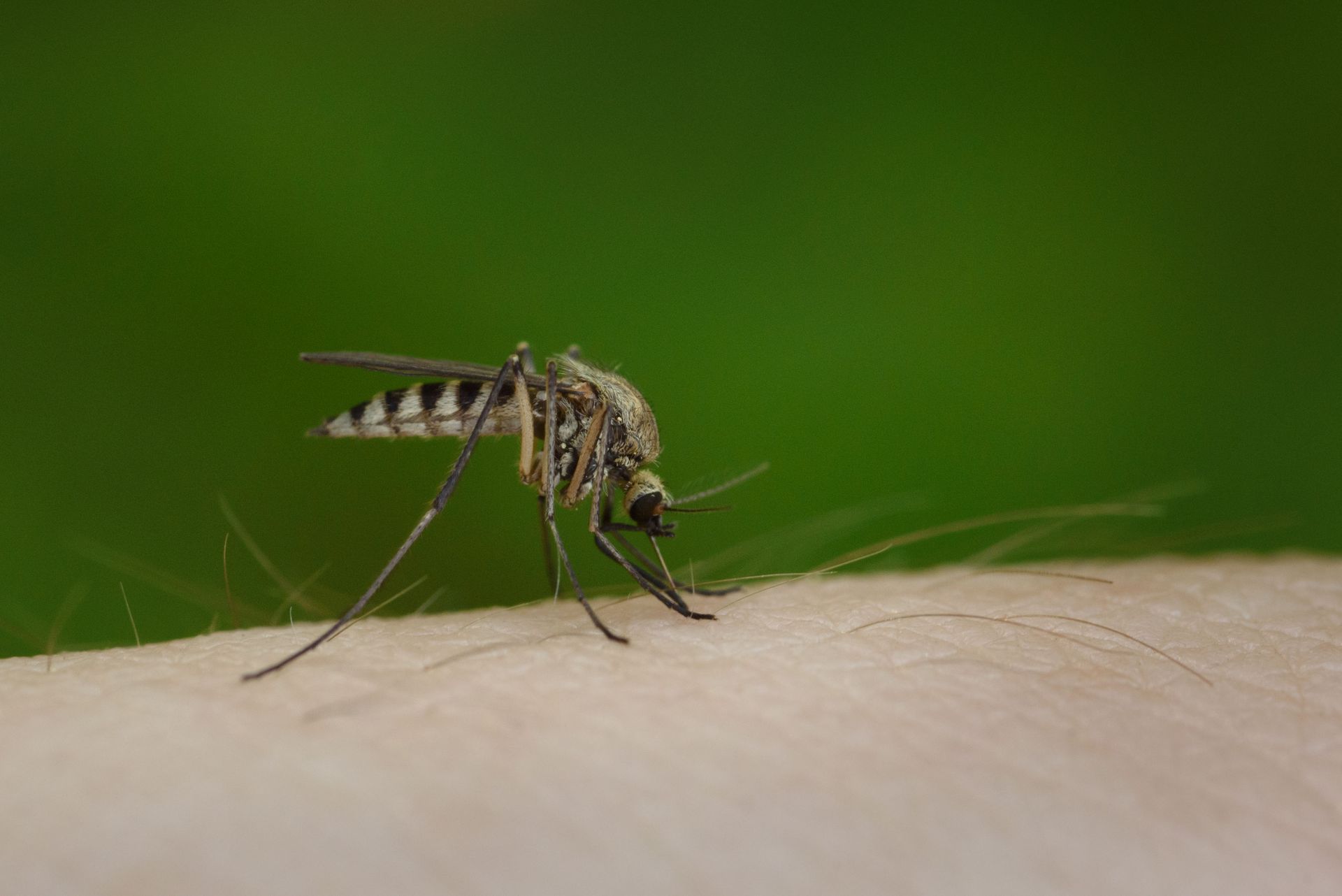
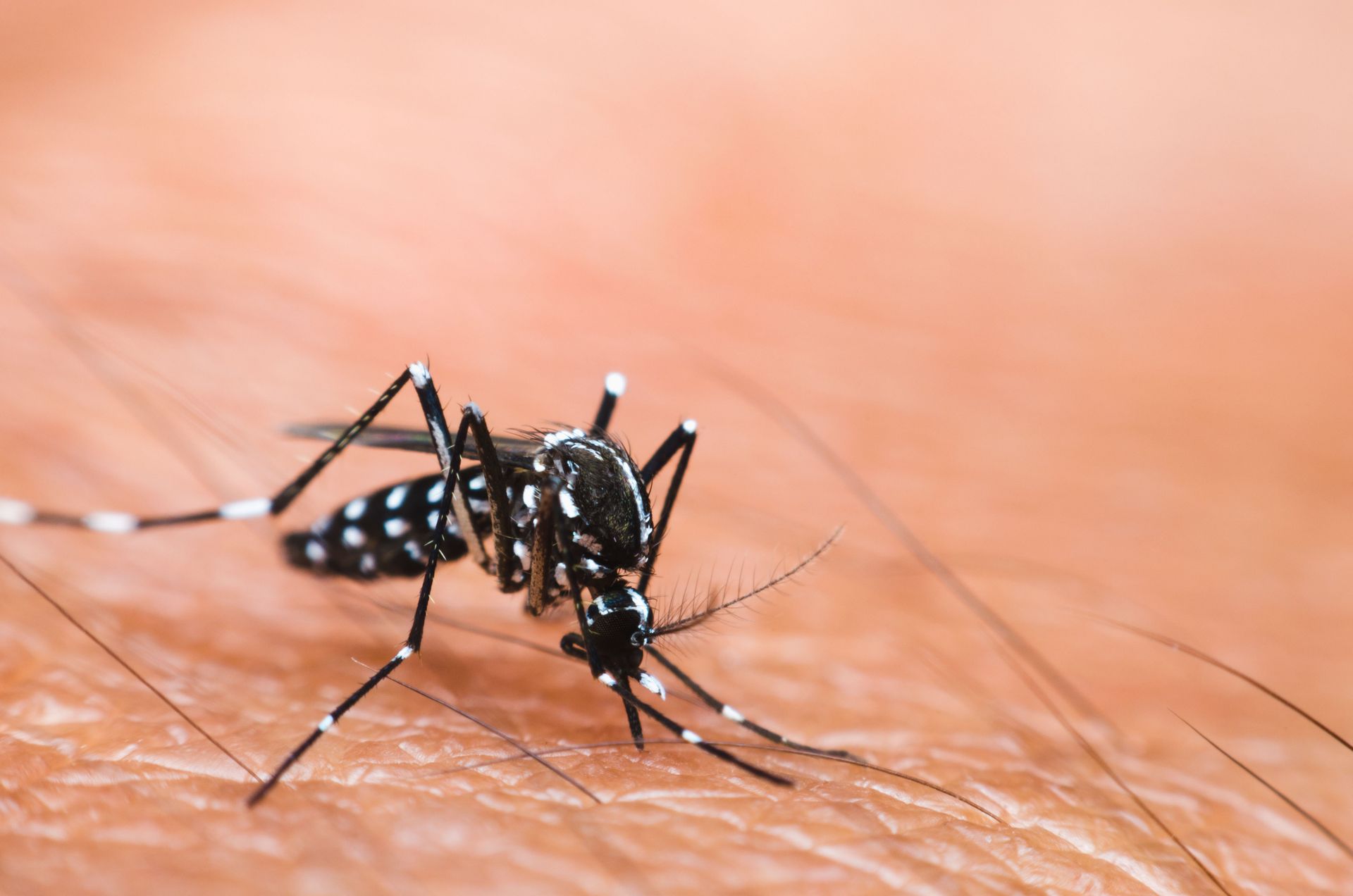
Mosquitoes are well-known carriers of diseases that affect millions of people around the world each year. Illnesses such as malaria, dengue fever, the Zika virus, and West Nile virus are all transmitted by mosquitoes and can have devastating health consequences. Many of these diseases are debilitating or even fatal, underscoring the urgency of effective control strategies. The scale of the problem is staggering, with outbreaks reported on every continent except Antarctica. Controlling mosquito populations is therefore essential to reducing the incidence of these illnesses and protecting public health.
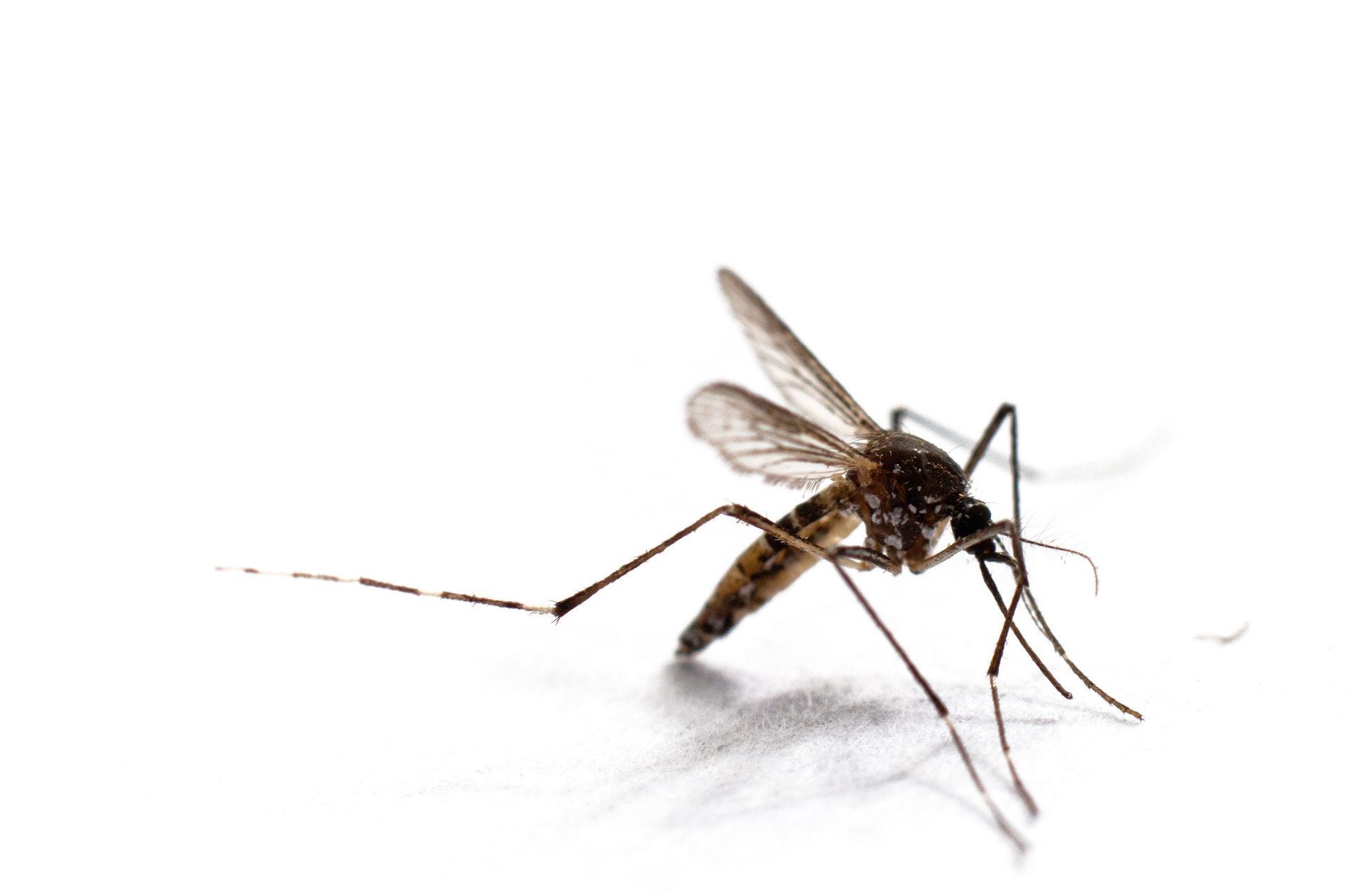
According to the EPA, roughly 200 different mosquito species exist across the United States, each with unique behaviors and preferred habitats. The most common species — Aedes, Culex, and Anopheles — thrive in environments ranging from urban neighborhoods to rural wetlands. Understanding where these species breed and feed is essential for managing them effectively, since different species require different approaches. A professional mosquito control service draws on this knowledge to develop targeted strategies for each unique situation. DIY methods, by contrast, rarely account for these distinctions and often fail to address the root of the problem, sometimes even contributing to pesticide resistance over time.
Understand the Economic Impact of Mosquito Infestations
The economic consequences of mosquito infestations extend far beyond individual discomfort. Regions with heavy mosquito activity often experience declines in tourism, as concerns about bites and potential health risks discourage travelers and negatively affect hotels, restaurants, and local attractions. Agricultural areas are similarly impacted, as mosquitoes can create stressful and unsafe working conditions for farmworkers while also affecting livestock, ultimately reducing productivity and increasing operational costs. Residential and commercial properties in heavily infested areas tend to be less desirable, which can result in lower property values and diminished business opportunities. Investing in a professional mosquito control service helps protect these economic interests by maintaining safe, comfortable environments that support tourism, agriculture, and local commerce.
Indirect economic costs are also significant and often more difficult to measure. Individuals dealing with mosquito-related health concerns may require time away from work, leading to lost wages and reduced workforce efficiency. Businesses can experience staffing shortages, decreased productivity, and rising expenses tied to absenteeism and workplace disruptions. Over time, these challenges can place strain on local economies and community resources, particularly in areas where mosquito activity is persistent. These widespread effects demonstrate that mosquito management is not solely a comfort issue but an economic necessity. By implementing proactive strategies, a professional mosquito control service helps communities reduce risk, maintain productivity, and avoid the long-term financial burdens associated with unchecked mosquito populations.
Explore the Advantages of Professional Mosquito Control
Hiring a professional mosquito control service offers clear advantages over attempting to manage the problem independently. Professionals bring specialized knowledge of mosquito species, behaviors, and habitats, enabling accurate identification and targeted treatment. They also have access to advanced equipment and professional-grade products that are simply not available to the general public. This combination of expertise and resources makes professional treatments significantly more effective than over-the-counter alternatives. Furthermore, professionals stay current with the latest research and techniques, ensuring that the strategies they employ reflect the available methods.
Safety and compliance are equally important benefits. A reputable mosquito control service follows strict safety protocols to protect people, pets, and the surrounding environment during treatment. Professionals are trained in proper pesticide application and disposal, minimizing unintended environmental impact. They are also well-versed in the health and environmental regulations governing pest control, reducing liability for property owners. Every treatment plan is customized to the specific property, accounting for its size, layout, and unique breeding conditions — ensuring the most effective and responsible outcome possible.
Apply Proven Methods of Mosquito Control
Professional mosquito control employs a range of proven methods to manage mosquito populations effectively. Chemical control through insecticides and larvicides targets mosquitoes at both the adult and larval stages, with professionals carefully selecting compounds that deliver results while minimizing environmental impact. These treatments are applied strategically to focus on high-activity areas, ensuring efficient coverage without unnecessary exposure. Biological control methods introduce natural predators and pathogens — such as mosquito-eating fish, bats, and targeted bacteria — to reduce populations in a more sustainable way. Physical control strategies further support these efforts by addressing the conditions that allow mosquitoes to thrive, including eliminating standing water, improving drainage, and installing barriers like screens and nets to limit access to indoor and outdoor living spaces.
Integrated Pest Management (IPM) combines all of these approaches into a cohesive, adaptive strategy tailored to each specific property and environment. Rather than relying on a single method, professionals assess factors such as climate, landscape features, and mosquito activity levels to develop a comprehensive plan. Ongoing monitoring allows technicians to evaluate the effectiveness of treatments and make adjustments as needed, ensuring consistent and long-term control. Technological innovations continue to strengthen these services, with advancements such as drone-assisted applications, smart monitoring systems, and improved treatment formulations enhancing both precision and efficiency. This commitment to evolving methods ensures that professional mosquito control remains reliable and effective, even as environmental conditions and mosquito behaviors change over time.
Promote Public Awareness and Community Engagement
Public education plays a vital role in supporting the work of a professional mosquito control service. When communities understand how mosquitoes breed, how diseases are transmitted, and what steps residents can take to reduce breeding grounds, they become active partners in the control effort. Awareness campaigns, educational workshops, and digital outreach through social media and community platforms help spread this knowledge broadly and quickly. Educated communities are more likely to participate in and support ongoing management efforts, amplifying the impact of professional services. Collaboration between pest control professionals, local governments, and community organizations further strengthens these initiatives by pooling resources and coordinating action.
Encouraging public participation — from cleaning standing water to reporting problem areas — creates a shared sense of responsibility that sustains long-term mosquito management. Building this kind of resilience is especially important in communities that are most vulnerable to mosquito-borne diseases. When professional guidance is combined with informed, engaged residents, the results are far more effective and lasting than any single intervention could achieve on its own.
Professional mosquito control is indispensable for safeguarding public health, protecting local economies, and improving everyday quality of life. Understanding the full scope of what a professional mosquito control service provides empowers individuals and communities to make informed decisions about protecting themselves from mosquito-borne threats.
If you are ready to take back your outdoor spaces and protect your family from mosquitoes, contact us at Sand Mountain Pest Management today. We will help you develop a customized mosquito control plan that keeps your property safe all season long.