By Tim Howard
November 6, 2026
Pest activity can vary significantly from one home to another. While some properties experience occasional insect sightings, others face recurring problems that require more consistent attention. Factors such as climate, landscaping, moisture, building conditions, and nearby pest populations can all influence how frequently a home needs professional treatment. In Alabama, warm temperatures and seasonal humidity can create favorable conditions for many common household pests throughout much of the year.
For some homeowners, an occasional appointment may be enough to address seasonal activity. Others benefit from a more consistent schedule that helps monitor pest populations and respond to changing conditions. Understanding why treatment frequency varies can help residents choose an approach that fits their property's needs. Professional pest control services provide ongoing support for homes where recurring activity or environmental conditions make regular attention beneficial.
How Does Alabama's Climate Affect Pest Activity?
Alabama's warm climate creates favorable conditions for various insects and household pests throughout the year. Ants, mosquitoes, cockroaches, termites, and spiders may become more active depending on seasonal temperatures and surrounding conditions. Mild winters can also extend pest activity, allowing certain species to remain active longer than they might in colder regions.
As a result, homeowners may encounter pest concerns across multiple seasons rather than dealing with activity only during spring and summer. Monitoring seasonal changes can help identify when professional attention may be beneficial.
Humidity is another important consideration. Moisture around foundations, plumbing areas, crawl spaces, and landscaping can attract pests that depend on damp conditions. Heavy rainfall may also displace insects from outdoor nesting areas, increasing the likelihood that they will move toward sheltered spaces.
Because these conditions can persist throughout the year, some Alabama properties experience recurring pest pressure rather than a single seasonal problem. Monthly pest control services may be appropriate when a home has a history of repeated activity or conditions that encourage pests to return. A professional can evaluate the property and recommend a schedule based on the types of pests present and the level of activity.
Why Do Some Homes Experience Recurring Infestations?
Not every property offers the same level of protection against pests. Small openings around doors, windows, utility lines, and foundations can provide entry points. Gaps in exterior materials or poorly sealed areas may also allow insects and rodents to access indoor spaces.
Landscaping can influence pest activity as well. Dense vegetation, leaf litter, mulch, and stored materials near the foundation may create sheltered areas where pests can hide. Properties with nearby wooded areas, gardens, or standing water may experience additional exposure depending on the surrounding environment.
Homes with recurring infestations may need more frequent professional attention because the conditions contributing to the problem remain present. Treating an active pest issue is important, but identifying potential entry points and environmental factors can help guide a longer-term management plan.
Professional pest control services can address current activity while helping homeowners understand why pests may continue appearing. The appropriate frequency depends on the property's condition, pest type, and treatment requirements.
How Do Different Pests Influence Treatment Frequency?
The type of pest affecting a property is one of the most important factors in determining a treatment schedule. Ants, for example, may establish colonies near foundations or inside structures, making recurring activity possible when food and moisture sources remain accessible. Cockroaches can also reproduce quickly and may require a consistent management approach when populations become established.
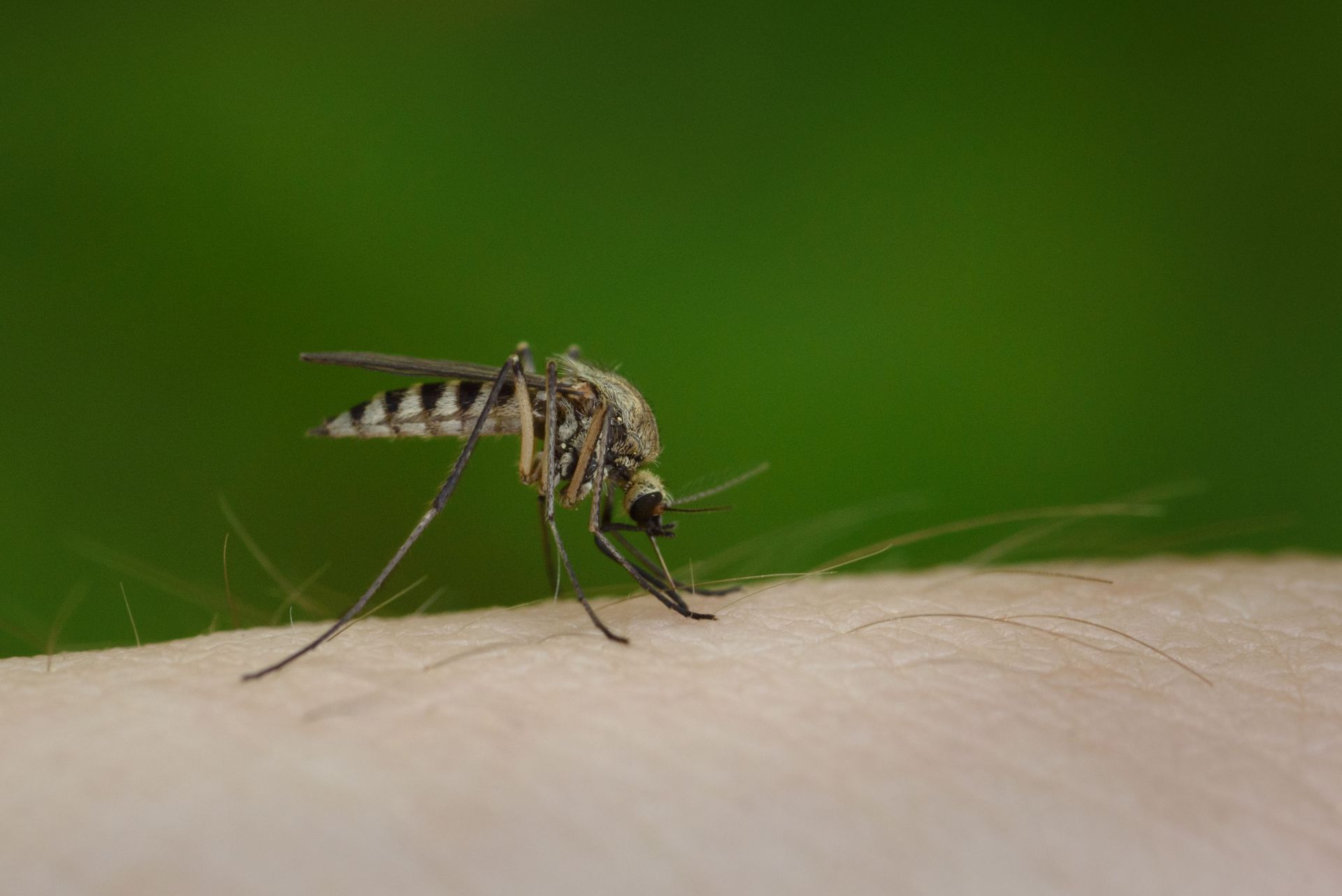
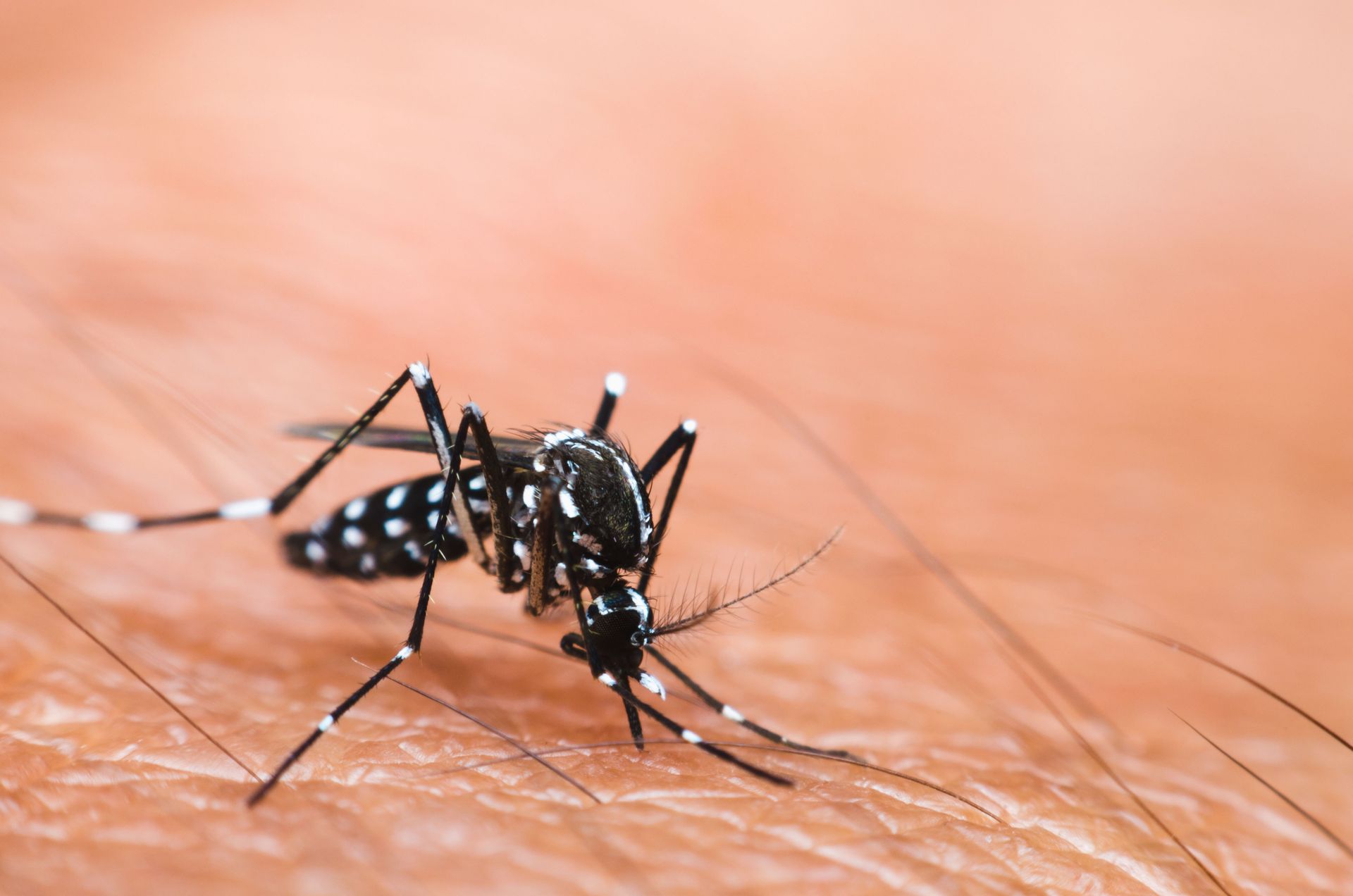
Mosquito concerns often increase during warmer months, particularly around properties with standing water or shaded outdoor areas. Other pests, including spiders and occasional invaders, may become more noticeable as weather conditions change.
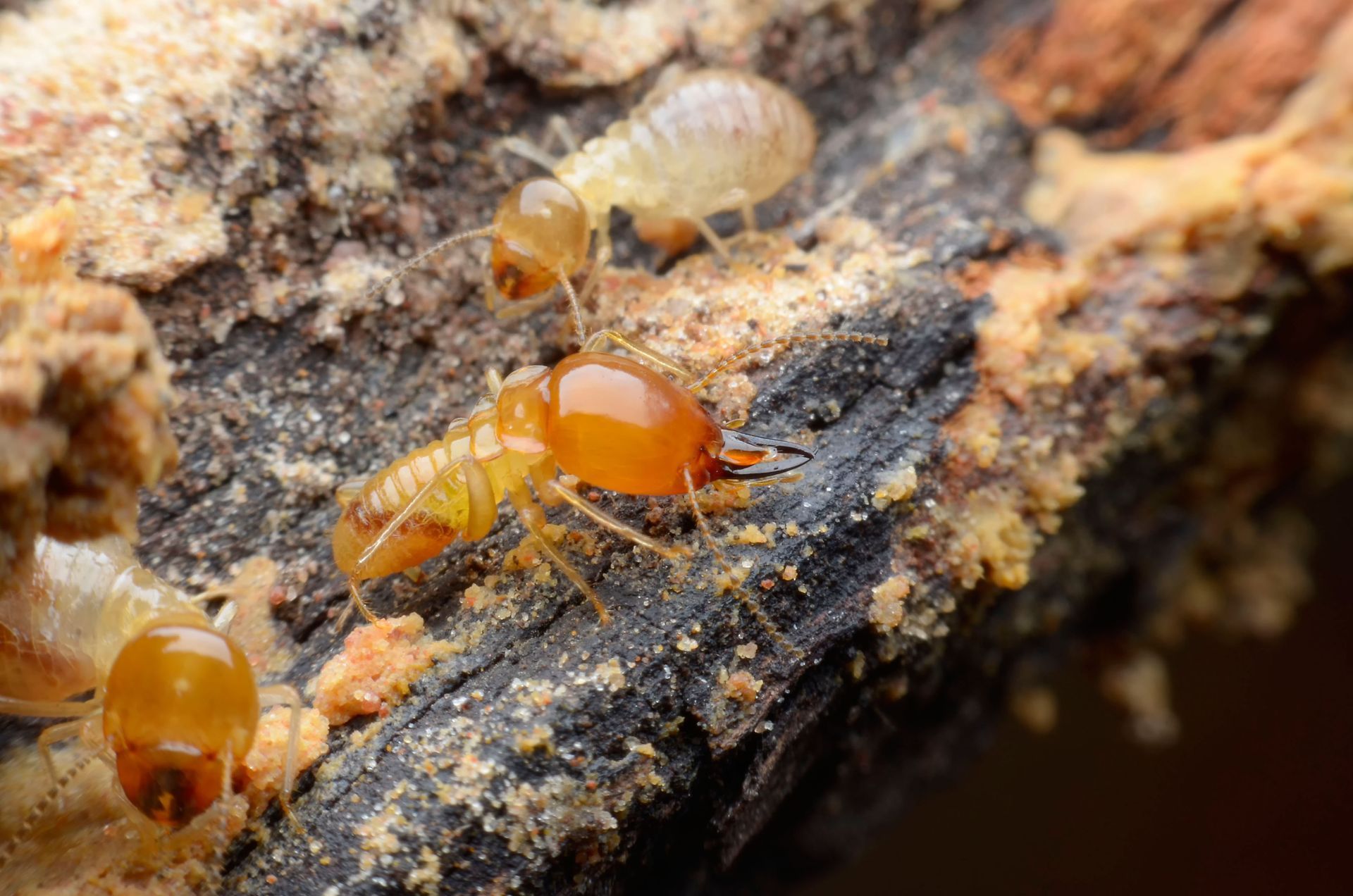
Termites require a different approach because they can damage structural wood without being immediately visible. Their inspection and treatment requirements depend on the species, evidence of activity, and conditions around the home. A monthly general treatment schedule should not be assumed to replace specialized termite inspections or protection.
The right frequency is therefore not identical for every pest. A professional evaluation helps determine whether recurring visits, seasonal treatments, monitoring, or a specialized service is appropriate for the problem.
Why Can Monthly Treatments Benefit High-Risk Properties?
Some homes face conditions that make pest activity more persistent. Properties with previous infestations, frequent insect sightings, moisture concerns, or extensive outdoor vegetation may benefit from closer monitoring. Consistent professional visits can help identify developing activity before it becomes more difficult to manage.
According to StaySafe.org, some homes may need monthly treatments, while others may only require pest management visits approximately three times per year. This difference reflects how property conditions and pest pressure influence service frequency. A monthly schedule is not automatically necessary for every household, but it can be useful when recurring activity warrants regular attention.
For homeowners in Alabama, monthly visits may be worth discussing when pests remain active across multiple seasons. Regular service can also provide opportunities to review changes around the property, including new entry points, moisture problems, or signs of increased pest activity.
The goal is to establish a schedule that addresses the home's actual needs rather than relying on a fixed approach for every situation.
How Do Regular Inspections Support Long-Term Prevention?
Inspections are an important part of an ongoing pest management plan. They allow professionals to look for signs of activity, evaluate conditions that may attract pests, and determine whether previous treatments are performing as intended. These visits can also help identify changes that might otherwise go unnoticed.
For example, an increase in ant activity near a kitchen or foundation may indicate a nearby colony or an accessible food source. Droppings, damaged materials, and unusual odors can point to other pest concerns. Recognizing these signs helps professionals determine what type of response is appropriate.
Regular pest control services can combine treatment with monitoring and recommendations based on the property's condition. This approach is particularly helpful for households that have experienced recurring problems and want a clearer understanding of their pest risks.
Homeowners should also communicate changes they notice between appointments. New sightings, activity in different rooms, or seasonal changes around the property can provide useful information for the next professional visit.
How Can Homeowners Determine the Right Service Schedule?
Choosing a treatment frequency begins with understanding the property's pest history and current conditions. A home with occasional seasonal activity may not require the same schedule as a property experiencing repeated infestations. The presence of children, pets, gardens, and other household considerations may also influence treatment planning and product selection.
A professional assessment can help clarify which pests are present, where activity is occurring, and what conditions may contribute to the problem. The provider can then explain available treatment options and recommend an appropriate schedule. As conditions change, the plan may need to be adjusted.
For Alabama homeowners, seasonal changes can influence pest activity throughout the year. Spring and summer often bring increased insect activity, while cooler weather may encourage certain pests to seek shelter indoors. Regular communication with a local provider helps households respond to these changing conditions and recognize when additional attention may be needed.
Monthly pest control services are most beneficial when they address a property's specific needs. Considering pest activity, environmental conditions, and professional recommendations helps homeowners choose an appropriate treatment schedule.
Sand Mountain Pest Management provides Alabama homeowners with professional solutions tailored to their properties. Contact the team today to schedule an evaluation and discuss a treatment plan that supports a more comfortable home.